
New Regulations for Emergency Lighting 2025
December 10, 2025
What the New BS 5266-1:2025 Standard Means for Emergency Lighting in Your Building
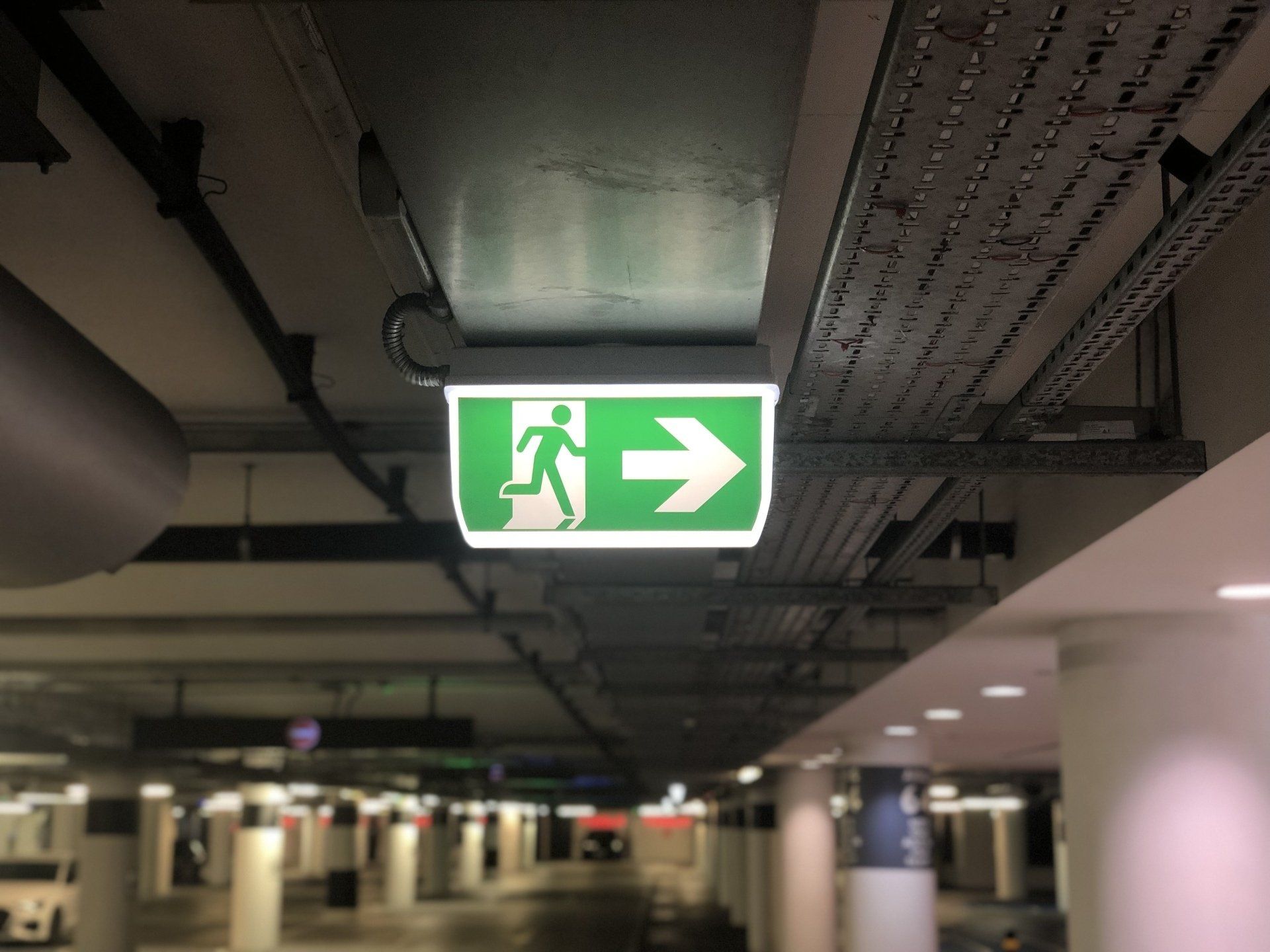
The recently published BS 5266-1:2025 represents the first full update of the UK’s emergency-lighting Code of Practice since 2016.
What’s Changed
- Expanded Scope: The standard now covers not just escape-route lighting but also local-area and standby lighting — acknowledging that modern buildings often need more than just exit illumination.
- Resilience & Wiring Requirements: In high-risk or essential areas, emergency luminaires may now require dual-circuit supply, fire-resistant cabling and stricter circuit limits to avoid a single fault disabling many lights.
- Testing & Verification: System maintenance is more rigorous — monthly functional tests, annual full-duration checks, and photometric verification every five years to ensure light levels remain compliant.
- Purpose-based Lighting Strategy: Depending on building type and use case, lighting design may need to account for evacuation, safe stay-put scenarios, or maintaining operations under power failure.
What It Means for Building Owners and Managers
- Emergency-lighting specifications should be revisited designs based on older standards may no longer comply.
- Maintenance regimes must be documented and scheduled properly.
- Systems should be designed to match real usage and occupancy patterns, not generic rules.
How Nu Electrics Helps
At Nu Electrics Ltd, we stay current with BS 5266-1:2025 requirements.
We offer:
- Expert design & installation of compliant emergency-lighting systems,
- Structured testing, commissioning and maintenance services,
- Clear, documented handover with logbooks and compliance certification.
If you’d like to review your existing lighting or plan new installations under the updated standard, we can help — get in touch for a free site survey.
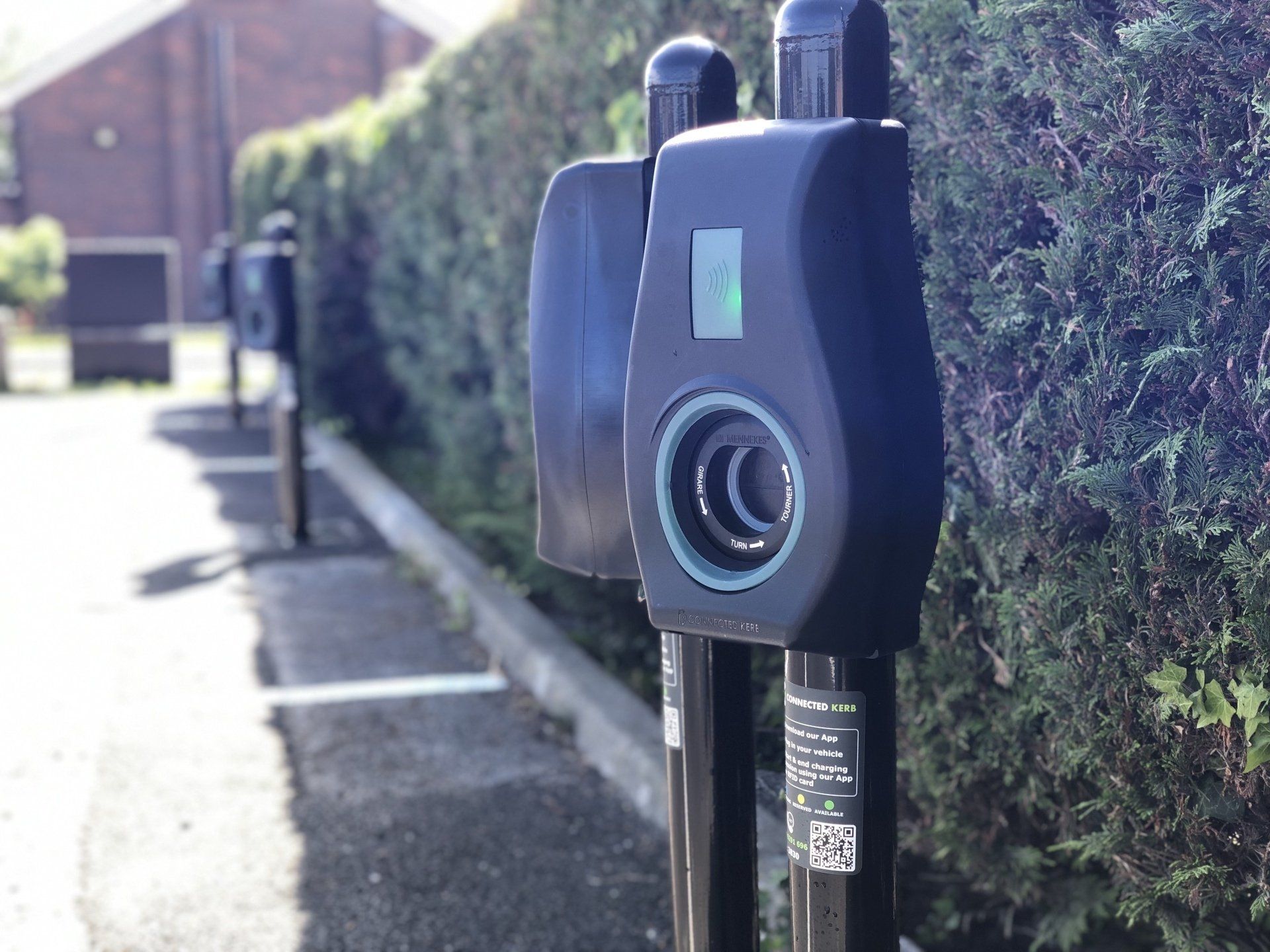
OZEV EV Charger Grants 2026/27 - Businesses, Schools & Landlords
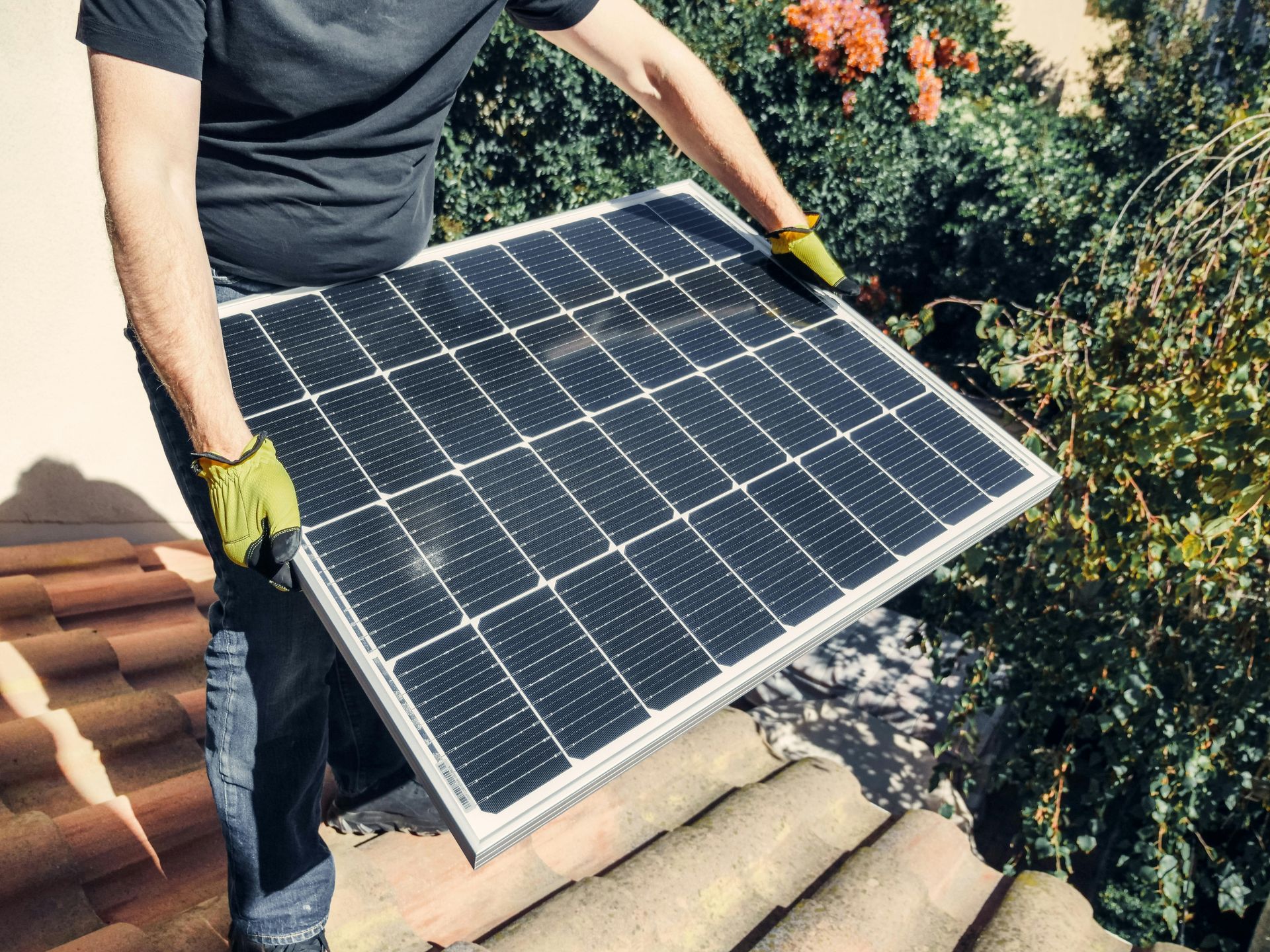
Nu Electrics expands expertise with new Level 3 qualifications in Solar PV and Electrical Energy Storage. Supporting London homes and businesses with renewable energy solutions.

Nu Electrics wins new commercial fit-out project with Legendre UK through the H&F Local Supply Chain. Supporting local partnerships and sustainable construction in London.
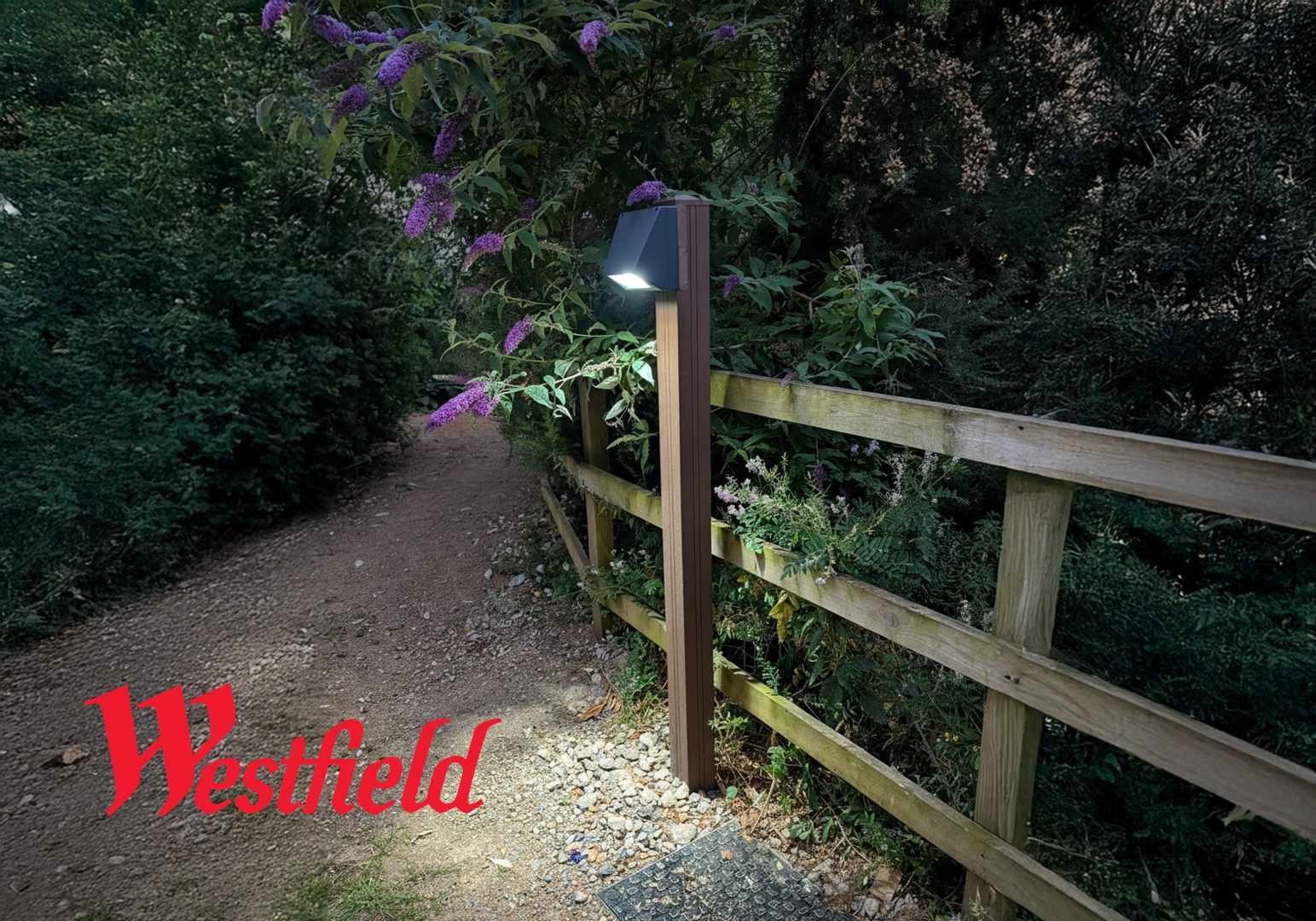
Nu Electrics designed and installed a bespoke emergency lighting system for Westfield London’s private nature reserve — ensuring safety while preserving its natural look.

Nu Electrics provides full temporary power and lighting systems for the Brook Green redevelopment (former EMI HQ), including 400V distribution, cranes, hoists, and welfare systems.
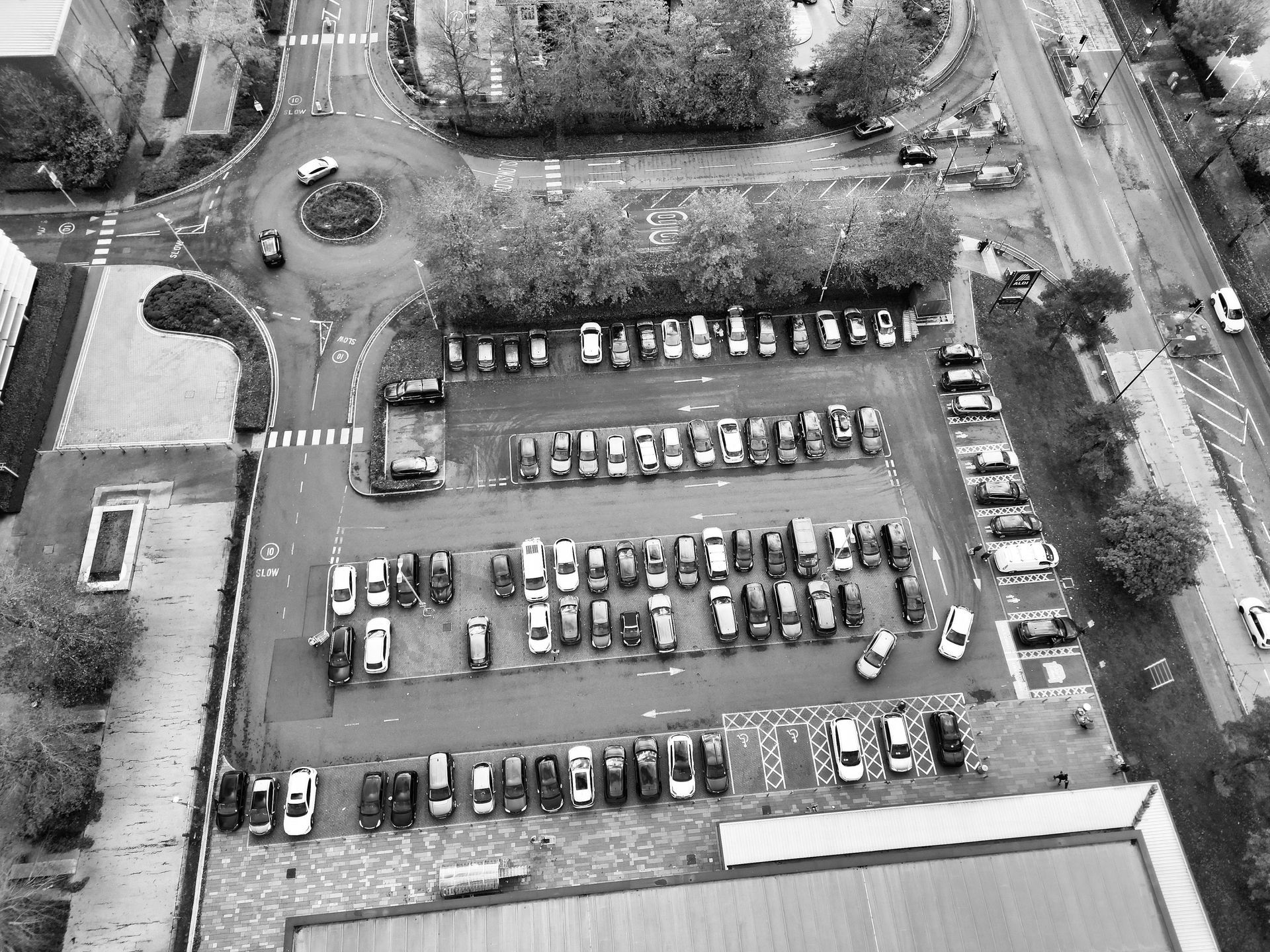
Discover how landlords and property managers in London can add EV charging to their developments - attract tenants, secure grants and generate revenue.

A practical guide for schools and education sites planning EV chargers. Learn about grants, installation, and staff or fleet charging from Nu Electrics Ltd.

Developers’ guide to EV-ready infrastructure. Learn how to integrate charging points from day one and avoid costly retrofits.
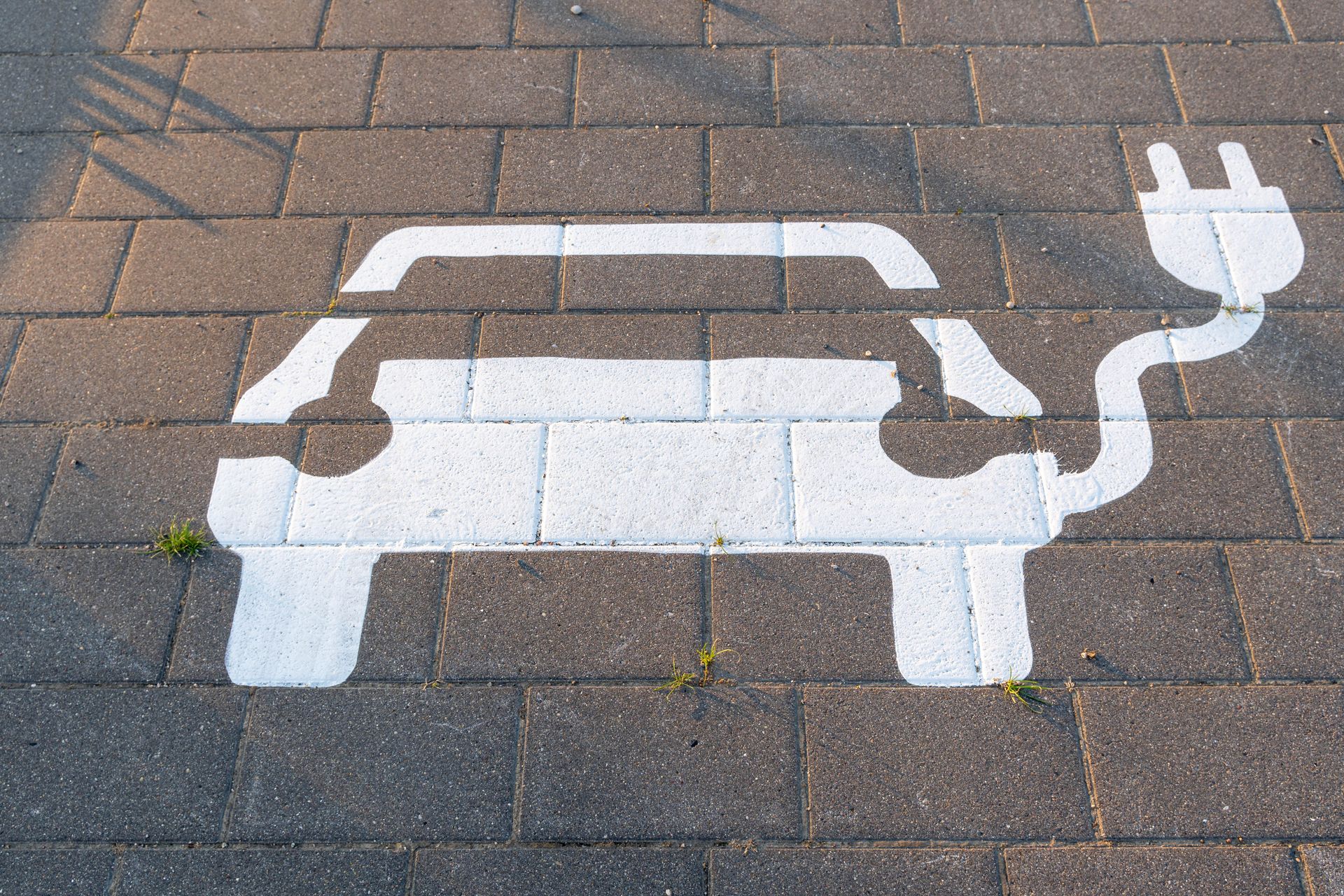
A practical guide for car-park owners and operators. Learn how to plan, fund and install EV charging that drivers use - from Nu Electrics, London.
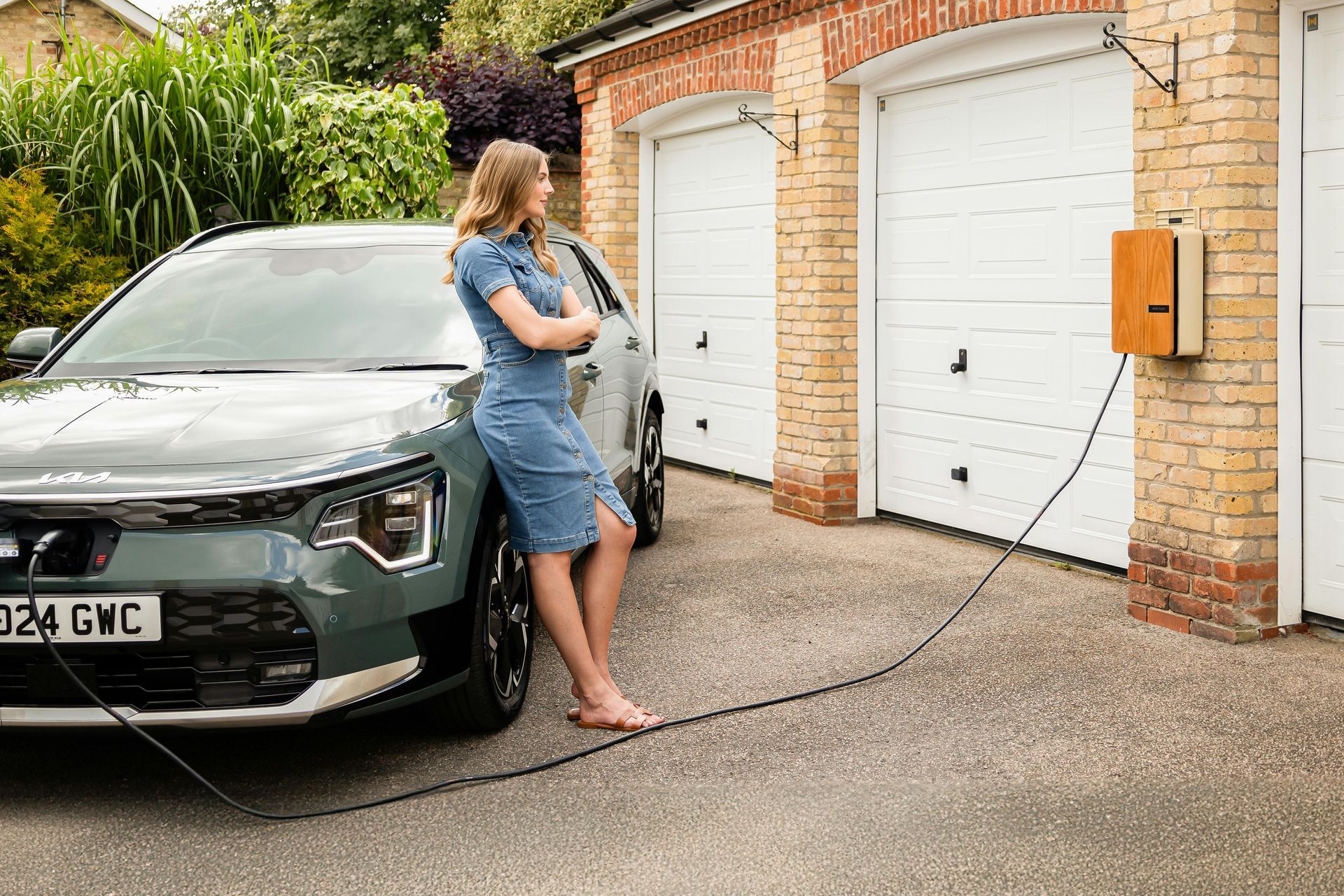
New UK government reforms aim to make home EV charger installs easier for renters and those without driveways. Learn what it means and how Nu Electrics can help.
WE'RE HERE TO LISTEN
Get in touch to discuss your project and we'll give honest advice backed up by a over decade of experience in the commercial and residential electrics industry.